The studio-versus-one-bedroom question usually gets answered by a budget spreadsheet, which is the wrong tool. The real question isn't which costs less. It's whether a wall between where you sleep and where you live is worth what it costs you every month — and the answer genuinely differs by person.
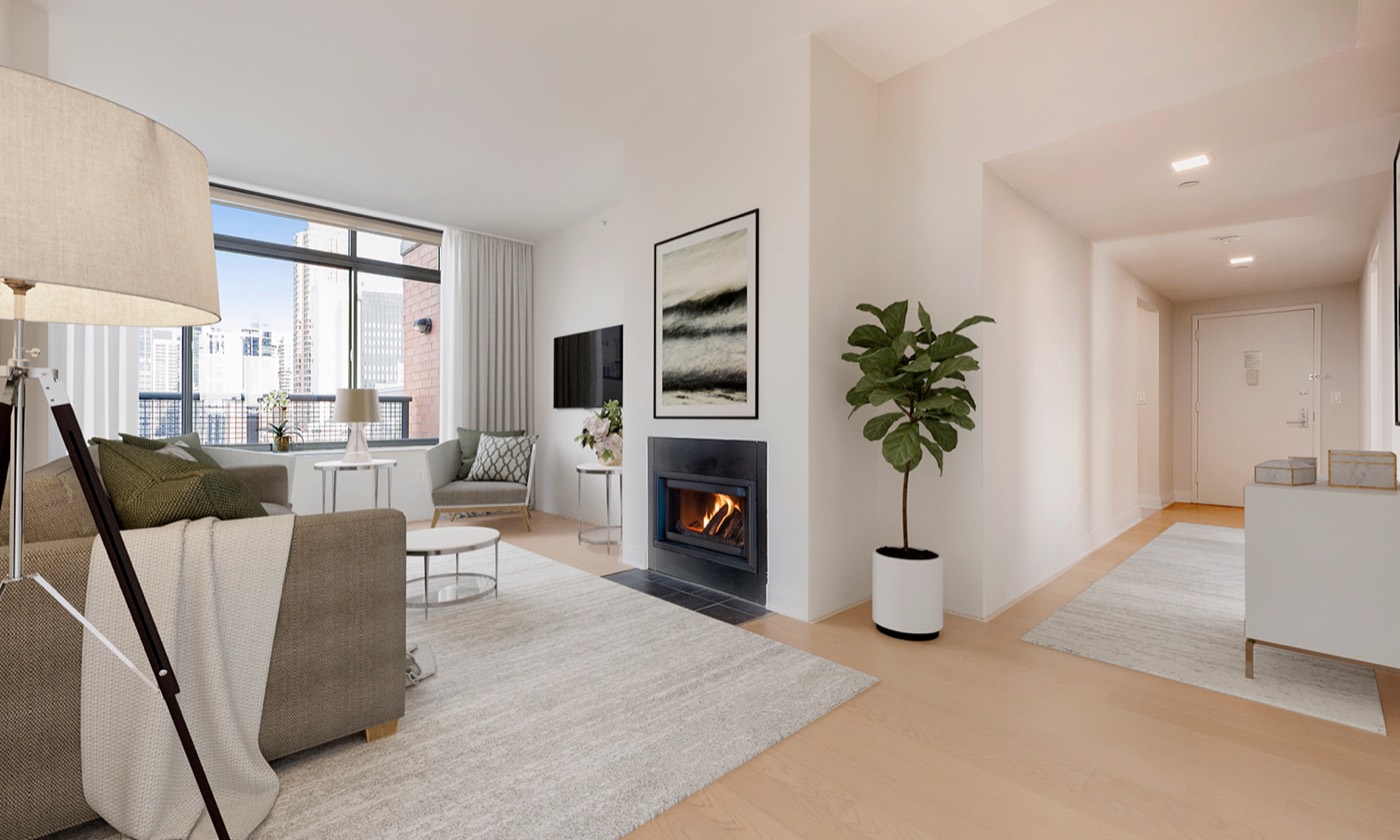
What the Difference Actually Buys
In Manhattan, the step from a studio to a one-bedroom in the same building typically comes with a meaningful monthly premium and some additional square footage. But square footage isn't what you're buying. You're buying separation.
A one-bedroom lets you close a door on an unmade bed, keep a guest in the living room without them sitting on your mattress, and go to sleep while someone else stays up. A studio gives you one room that has to be all things, and the quality of that room depends almost entirely on the layout rather than the size.
The Alcove Studio Middle Ground
Alcove studios — sometimes called L-shaped studios — deserve more attention than they get. An alcove is a recessed nook, usually large enough for a bed, set off from the main living space. It isn't a separate room and doesn't have a door, but a well-placed bookshelf, curtain, or screen creates most of the psychological separation of a bedroom.
For a lot of renters this is the actual answer: most of the benefit of a one-bedroom at closer to studio pricing. If your building offers them, tour one before deciding the choice is binary.
Working From Home Changes the Math
This is where the calculus shifted for many people. If you spend forty hours a week at a desk in your apartment, a studio asks that single room to be office, bedroom, dining room, and place to unwind — and the transitions between those modes stop happening. The bed is in your eyeline during meetings. The desk is in your eyeline at night.
Some people manage this well with a firm routine and a screen. Others find that the absence of separation slowly wears them down. If you work from home most days, weigh the one-bedroom premium against what a dedicated work zone is worth over a year. If you're out of the apartment most of the day, a studio's compromises cost far less.
Hosting, Sleep, and Layout Efficiency
Think honestly about how you actually live. Do you cook for people? Does a partner stay over? Do you and a roommate or partner keep different hours? Each of those pushes toward a door.
And when comparing specific apartments, favor layout over raw numbers. A 550-square-foot studio with a smart footprint — a real entry, a defined kitchen, a windowed wall, usable closets — lives larger than a 600-square-foot one-bedroom with a long dead hallway and a bedroom that fits a bed and nothing else. Look at where the windows are, whether furniture has a natural placement, and how much of the floor plan is circulation rather than usable room.
Test It Before Committing
Walk the unit and mentally place your actual furniture — your bed, your desk, your sofa. Where does the bed go? Can you see it from where you'd work? Where would a guest sit? If you can't answer those standing in the room, the floor plan is telling you something.
The Anthem offers studios, alcove studios, and one-bedrooms, which makes them easy to compare side by side. Browse available residences or schedule a tour with our leasing team at (212) 684-3222.
Interested in Living at The Anthem?
Browse available studios, 1-, 2-, and 3-bedroom residences at 222 East 34th Street, Murray Hill — with video tours and 3D walkthroughs for every unit.
View Available Apartments Schedule a Tour